The immover observatory

Property Prices in Wasquehal2026 property valuation

Updated: January 2026 Sources: DVF · Notaires de France · INSEE · Immover January 2026 · DVF, Notaires de France, INSEE, Immover
In brief

The average price per m² in Wasquehal is 3 181 €/m² for an apartment, based on actual notarised (DVF) sales. About 59 transactions are recorded each year.

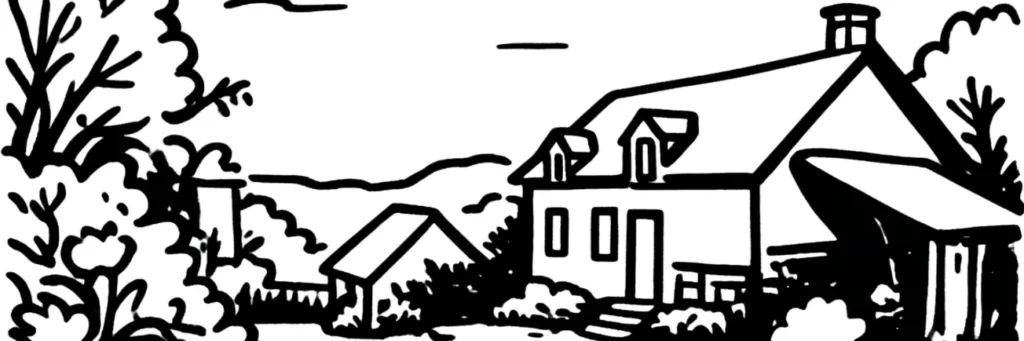
Line drawing of Wasquehal, the Marque canal, the redeveloped banks, the Grand Boulevard tramway and the Château du Sart surrounded by its golf course

Atmospheric illustration of Wasquehal, a town of the Lille metropolitan area crossed by the Marque canal, in the Nord department.

Property Prices in Wasquehal

The 2026 figures· Indicative data
3 181€/m²

At the heart of the Lille metropolitan area, Wasquehal records an average apartment price of 3 181 €/m², based on DVF data, the French notarised sales database, covering sales completed before notaries. Located between Roubaix and Lille and crossed by the Marque canal, the town combines sought-after suburban neighbourhoods, recent residences along the canal banks and buildings close to the Grand Boulevard tramway. This variety, fast links to Lille and the presence of green spaces and business parks keep demand steady. For an apartment, value depends on the neighbourhood, the floor, whether there is a balcony or parking, closeness to the tramway and the condition of the property. New homes and renovated properties close to the canal sell above the average, while older apartments in denser areas remain more affordable.

Apartment transactions / year
59
Median price per m²
3 222 €

Prices from the DVF file (Demandes de valeurs foncières, published by the DGFiP), transactions actually recorded at the notary at municipality level. Cross-referenced with the Notaires de France - INSEE indices. Learn more about our methodology.

Market trends and analysis for Wasquehal

The Wasquehal market benefits from its position at the heart of the Lille metropolitan area, with a steady flow of apartment sales recorded each year in the DVF data. Demand mixes families, managers and working people from the urban area, drawn by a valued residential setting and fast links to Lille. The housing stock, from the detached house to the recent residence on the canal banks, offers a range of properties that keeps transactions turning over.

Several factors support this price level. The closeness of Lille, the Grand Boulevard tramway, the setting of the Marque canal and the presence of employment areas sustain solid demand. The renewal of the canal banks and recent developments pull some values upwards. Conversely, the energy performance of older buildings has become a negotiating point, and new supply remains dependent on land opportunities in a municipality that is already largely built up.

Wasquehal between Lille and Roubaix, in the Lille metropolitan area

average €/m²

Wasquehal remains more affordable than Lille, whose market pulls the metropolitan area upwards, but sits well above Roubaix, its neighbour with prices among the lowest in the area. The gap is narrower with Croix, a bordering municipality with which it shares the course of the canal. The town holds an intermediate position, closer to the residential municipalities than to the working-class centres of the metropolitan area.

MunicipalityTierPrice /m²Gap
Lille3 795 €+19 %
Wasquehal3 181 €ref.
Croix2 571 €-19 %
Roubaix1 974 €-38 %

The history of Wasquehal

Long a rural village on the north-eastern side of Lille, Wasquehal entered the industrial age with the growth of the metropolitan area's textile industry. The town then found itself alongside the great manufacturing centres of Roubaix and Croix, sharing their prosperity and their difficulties. An artificial branch of the Marque was dug in the late 19th century right through the heart of the municipality to serve these industries, leaving a lasting mark on the local landscape.

This network of waterways, the urban Marque and the Roubaix canal, served as a transport route for textiles and coal during the Industrial Revolution. Planned long in advance, the canal had an eventful history, up to the closure of the industries in the 1970s and 1980s. Crossing the municipality, the canalised Marque and the Roubaix canal were reopened to pleasure boating from 2008, giving the banks a new leisure role.

In the 20th century, Wasquehal became a residential town of the metropolitan area. The historic tramway linking Lille, Roubaix and Tourcoing runs through the municipality along the Grand Boulevard, and business parks and company headquarters settled there. A member of the Métropole Européenne de Lille, the Lille metropolitan authority, the town now combines suburban neighbourhoods, residences along the canal and employment centres, a few minutes from the centre of Lille.
Who buys in Wasquehal

Wasquehal has 20 726 inhabitants, between Roubaix and Lille, at the heart of the Lille metropolitan area. A residential and active town, it attracts families, managers and working people from the urban area who appreciate the closeness of Lille, the tramway service and the setting of the Marque canal banks. Buyers are split between families looking for a detached house or a large apartment, first-time buyers of small units, and households drawn to the recent residences near the water. The presence of business parks and company headquarters also supports demand linked to local jobs, in a municipality that remains more residential than its working-class neighbours.

Frequently asked questions

The average price of apartments in Wasquehal is 3 181 €/m², based on DVF transactions actually completed before notaries. This average varies with the neighbourhood, the floor, closeness to the tramway and the canal, the presence of outdoor space and the condition of the property. A recent apartment near the canal banks and an older home in a dense area do not sell at the same level.

Wasquehal has kept a more residential profile, with sought-after suburban neighbourhoods and a setting enhanced by the Marque canal and green spaces. Its immediate proximity to Lille and its Grand Boulevard tramway service add to its appeal. Roubaix, marked by a heavier industrial past, shows prices among the lowest in the metropolitan area.

The town is crossed by the historic tramway linking Lille, Roubaix and Tourcoing along the Grand Boulevard, an asset for reaching the centre of the metropolitan area. The bus network and the main roads complete the service. This accessibility, combined with closeness to employment centres, helps support housing demand in the municipality.

Quiet suburban neighbourhoods, recent residences close to the Marque canal and the areas around the tramway are among the most popular. Closeness to green spaces and shops also plays a part. Conversely, older homes in denser areas offer more affordable entry points into the Wasquehal market.

Yes, to some extent. The closeness of Lille, the tramway service and the presence of jobs feed rental demand. Well-located small units find tenants among working people and students of the metropolitan area. As everywhere, returns depend on location, the condition of the property and any works to be planned.

Value your property in Wasquehal

Free valuation in under 2 minutes

Value my property

This analysis is published by Immover, an independent observatory founded by . Data sourced from official sources (DVF, INSEE, Notaries of France).

Estimer mon bien